Your home's foundation is literally the bedrock of everything. It's not something you think about every day, but when you do, it's usually because something's caught your eye. As a contractor here in Broken Arrow, I get a lot of the same questions from folks about their concrete foundations. So, I figured I'd put together some straight answers for you.
What's the difference between a slab foundation and a pier and beam?
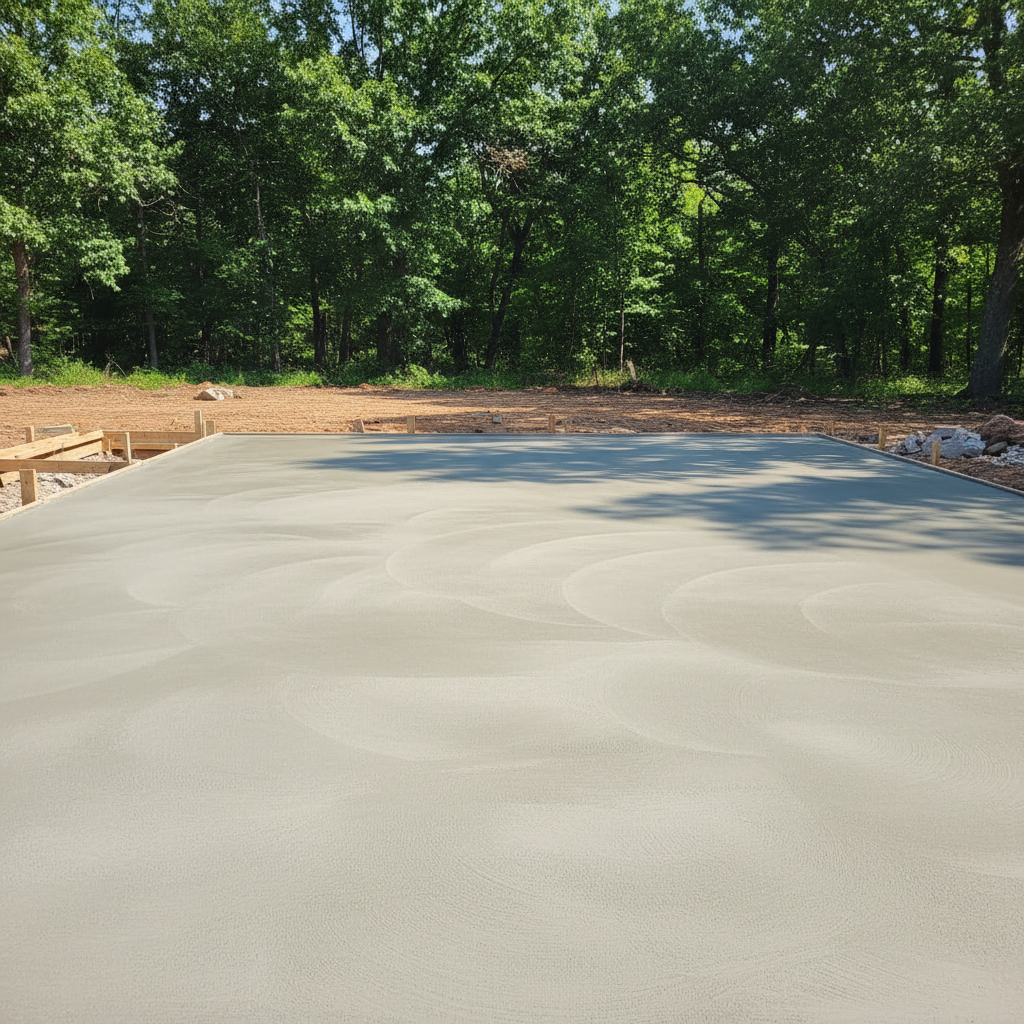
This is a big one, and it's pretty fundamental. Most newer homes around here, especially in developments like those near Creek Turnpike, are built on slab foundations. That's essentially a large, thick concrete pad poured directly on the ground, often with reinforced rebar inside. The entire house sits right on it.
Pier and beam, on the other hand, is what you'll see in a lot of older homes, particularly in the more established parts of Broken Arrow. With these, you've got concrete piers or columns dug into the ground, and then a network of beams (often wood or steel) that sit on top of those piers. The house is built on those beams, leaving a crawl space underneath. Each has its pros and cons. Slabs are generally quicker and cheaper to build, and they don't have crawl space issues like pests or moisture. Pier and beam allows easier access for plumbing and electrical repairs, and it can be a bit more forgiving with minor ground movement.
Are all cracks in my foundation bad news?
Absolutely not. This is probably the number one thing that makes homeowners panic. You see a crack, and your mind immediately goes to the worst-case scenario. The truth is, concrete cracks. It's just what it does. As it cures, as temperatures change, as the ground settles – small, hairline cracks are incredibly common and usually nothing to worry about. We call these 'shrinkage cracks,' and they're often superficial.
What you need to keep an eye on are cracks that are wider than a quarter-inch, cracks that run horizontally, or cracks that are wider at one end than the other. Also, stair-step cracks in brickwork or cracks that go through the foundation and appear on interior walls are red flags. If you can stick a dime into a crack, it's probably time to get it checked out. Don't ignore those.
How does our Broken Arrow soil affect my foundation?
This is huge for us in Oklahoma. We've got a lot of expansive clay soil around here. What does that mean? It means our soil swells significantly when it gets wet and shrinks when it dries out. Think about how much rain we get some springs, followed by those long, dry summers. This constant expansion and contraction puts a lot of stress on foundations.
It's why proper drainage around your home is so critical. If water is pooling near your foundation, that clay soil is going to soak it up, expand, and push against your house. When it dries out, it shrinks, and the foundation can settle unevenly. This is a major cause of foundation problems in our area. It's not just about the concrete; it's about what's underneath it.
What are the signs I might have a foundation problem?
Beyond those serious cracks I mentioned, there are other indicators you should be aware of. Inside your house, look for doors that stick or don't latch properly, especially if it's suddenly a new issue. Windows that are hard to open or close are another sign. You might see cracks in your drywall, particularly around door and window frames, or where walls meet ceilings. Floors that feel uneven or sloped are also a big red flag. Outside, look for gaps around window and door frames, or a chimney that's pulling away from the house. Sometimes, you'll even notice misaligned bricks or siding.
Can I prevent foundation problems?
You can definitely reduce your risk, and honestly, a lot of it comes down to good water management around your home. First, make sure your gutters are clean and in good repair, and that your downspouts extend at least five to ten feet away from your foundation. You want water to drain away from your house, not pool next to it.
Grading is also important. Your yard should slope away from your house. If it slopes towards it, you're inviting trouble. Maintaining consistent soil moisture around your foundation can also help, especially during dry spells. Some folks use soaker hoses a few feet from the foundation during droughts to prevent the soil from drying out too much and shrinking. Just don't overdo it and create standing water. Trees planted too close to the house can also be an issue, as their roots can pull moisture from the soil under your foundation.
How long do concrete foundations last?
A well-built concrete foundation, properly maintained and installed by a reputable company like Express Concrete & Masonry Solutions, can easily last for 75 to 100 years, or even longer. Concrete is incredibly durable. The biggest factors affecting its lifespan are the quality of the original pour, the soil conditions it's built on, and how well you manage water around your home over the decades. It's not usually the concrete itself that fails, but rather the ground shifting beneath it or consistent water damage that causes issues.
When should I call a professional?
My advice? If you're seeing any of those serious signs I mentioned – significant cracks, sticking doors, uneven floors, or exterior damage – don't wait. It's always better to get an expert opinion sooner rather than later. Small issues are often much easier and less expensive to fix than major ones. A professional can assess the situation, tell you if it's a minor settlement issue or something more serious, and recommend the right course of action. Sometimes it's just a bit of sealing; other times, it might involve more extensive repair, but you won't know until you have someone take a look.