You've got concrete around your house, right? Driveways, patios, sidewalks – we call that 'flatwork' in the business. And if you're like most homeowners in Broken Arrow, you've probably got a few questions about it. I hear 'em constantly. Folks want to know why it cracks, how long it lasts, what it costs. So, I figured I'd tackle some of the most common questions right here, no fluff, just straight talk from someone who pours and fixes concrete every single day.
Why is my concrete cracking, and is it always a problem?
This is probably the number one question I get. Concrete cracks. It's not a matter of 'if,' but 'when.' Now, that doesn't mean every crack is an emergency. Small, hairline cracks? Usually not a big deal. They're often just surface shrinkage cracks from the curing process, especially if the concrete dried too fast. Think of it like a desert floor drying out, you know?
The cracks you really need to worry about are bigger ones – say, wider than a quarter-inch, or if one side of the crack is noticeably higher or lower than the other. Those are signs of movement, probably from the ground underneath. Here in Broken Arrow, we've got some pretty active clay soils. They expand when wet and shrink when dry, and that constant movement can put a lot of stress on your concrete. Tree roots are another common culprit. If you see cracks getting wider, or if they're causing a tripping hazard, then yes, it's a problem you should get looked at. Sometimes it's just a repair; other times, a whole section might need replacing.
How long should my concrete flatwork last?
A good concrete driveway or patio, installed correctly, should easily last you 20 to 30 years, sometimes even longer. I've seen some that are 40 years old and still holding up okay, though they usually need some patching by then. The key phrase here is 'properly installed.' That means good sub-base preparation, the right concrete mix, and proper curing. If a contractor cuts corners on any of those steps, you're going to see problems a lot sooner.
What shortens its life? Poor drainage, heavy loads (like parking an RV on a driveway not designed for it), and those extreme temperature swings we get here in Oklahoma. Freezing and thawing cycles can really take a toll if water gets into cracks and then expands as it freezes. That's why sealing your concrete every few years is a good idea; it helps keep that water out.
What's the deal with control joints? Do I really need them?
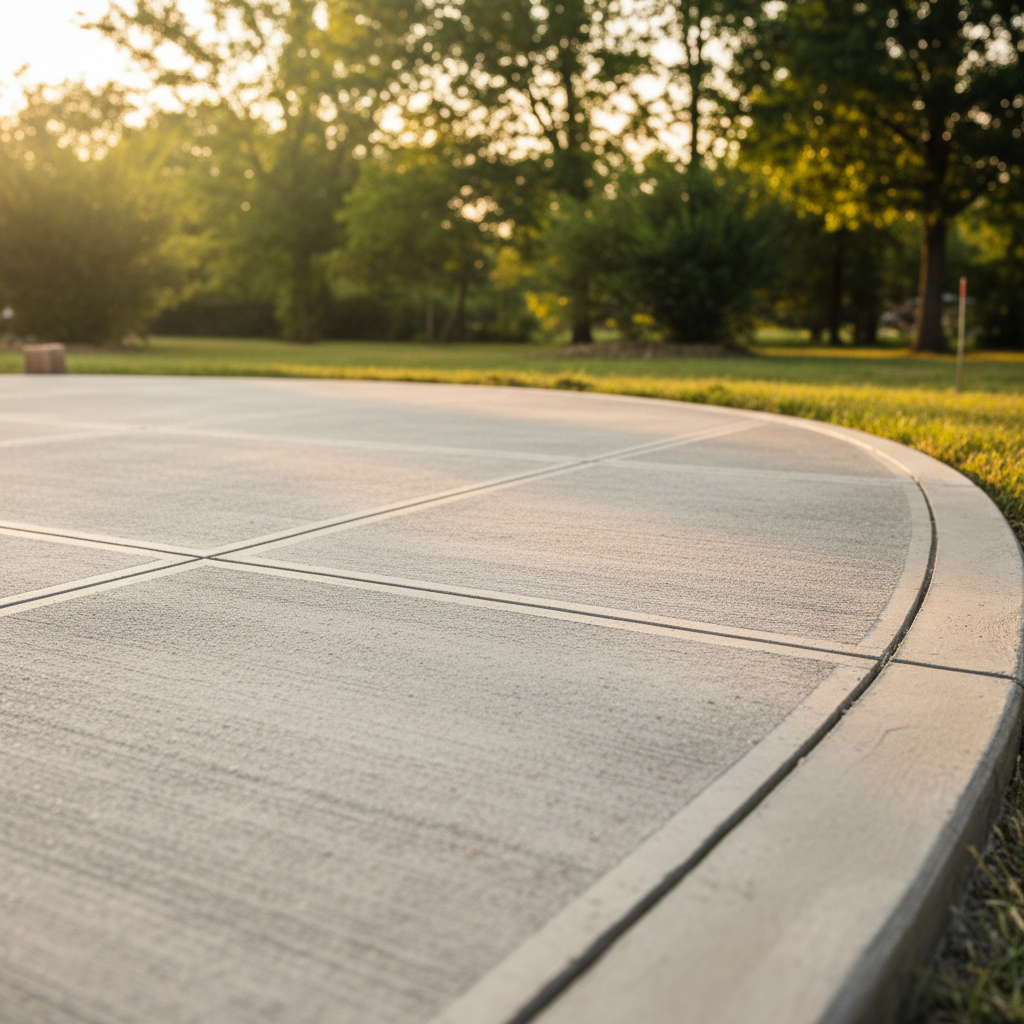
Absolutely, you need them! Control joints, sometimes called expansion joints or saw cuts, are those lines you see scored into concrete slabs. They're put there on purpose to create weak points in the concrete. Remember how I said concrete cracks? Well, control joints are designed to encourage the concrete to crack in a straight, neat line along those joints, instead of randomly all over your nice new patio. It's about managing where the cracks happen.
If a contractor doesn't put in enough control joints, or if they're spaced too far apart, you're going to end up with unsightly, random cracks. For driveways and patios, we usually recommend spacing them every 10 to 12 feet, depending on the slab's thickness and shape. It's a critical part of a quality installation, and if someone tells you they aren't necessary, find a different contractor.
Can I just pour new concrete over my old, cracked driveway?
This is a common question, and the short answer is usually no. It's called an 'overlay,' and while it sounds like an easy fix, it rarely works out well for driveways or other load-bearing flatwork. Here's why: the problems with your old concrete – whether it's unstable soil, poor drainage, or just structural failure – are still there underneath. Pouring a thin layer of new concrete on top isn't going to fix those underlying issues.
What typically happens is that the cracks and movement from the old slab will 'reflect' right through the new overlay. You'll end up with new cracks in the exact same spots, often within a year or two. For decorative purposes on a sound, existing slab, maybe. But for a driveway that takes a beating, you're usually better off removing the old concrete and starting fresh. It's more work and more money upfront, but it saves you headaches and expense down the road. Trust me on this one.
How much does new concrete flatwork cost?
Ah, the million-dollar question! Or, more accurately, the several-thousand-dollar question. The cost of concrete flatwork varies a lot depending on several factors. Things like:
- The slab's size and thickness: A bigger, thicker slab uses more concrete and takes more labor.
- Accessibility: Is it easy for trucks and equipment to get to the site, or do we have to wheelbarrow everything in?
- Preparation needed: Does the old concrete need to be removed? Does the ground need significant grading or fill?
- Reinforcement: Are we using rebar, wire mesh, or both?
- Finishing options: A basic broom finish is standard, but decorative stamping or exposed aggregate costs more.
Generally, you're looking at a range per square foot, but it's tough to give a number without seeing the job. For a typical driveway or patio in Broken Arrow, you might expect to pay anywhere from $8 to $15 per square foot for standard broom finish, but that's just a rough estimate. The best way to get an accurate price is to have a contractor like us at Express Concrete & Masonry Solutions come out and give you a free, no-obligation quote. We can assess your specific needs and give you a solid number.
Do I need to seal my concrete, and how often?
Yes, you absolutely should seal your concrete, especially here in Oklahoma. Sealing concrete is like putting a protective coat on it. It helps prevent water, oil, and other liquids from penetrating the surface, which reduces staining and makes it easier to clean. More importantly, it helps protect against those freeze-thaw cycles I mentioned earlier. When water gets into tiny pores and cracks and then freezes, it expands and can cause spalling (flaking) and bigger cracks.
How often? For most residential flatwork, I recommend sealing it every 2 to 5 years. If it's a high-traffic area, or if it's constantly exposed to the elements, you might want to do it more frequently. It's a relatively inexpensive maintenance step that can significantly extend the life and appearance of your concrete. Think of it like changing the oil in your car – a little preventative maintenance goes a long way.