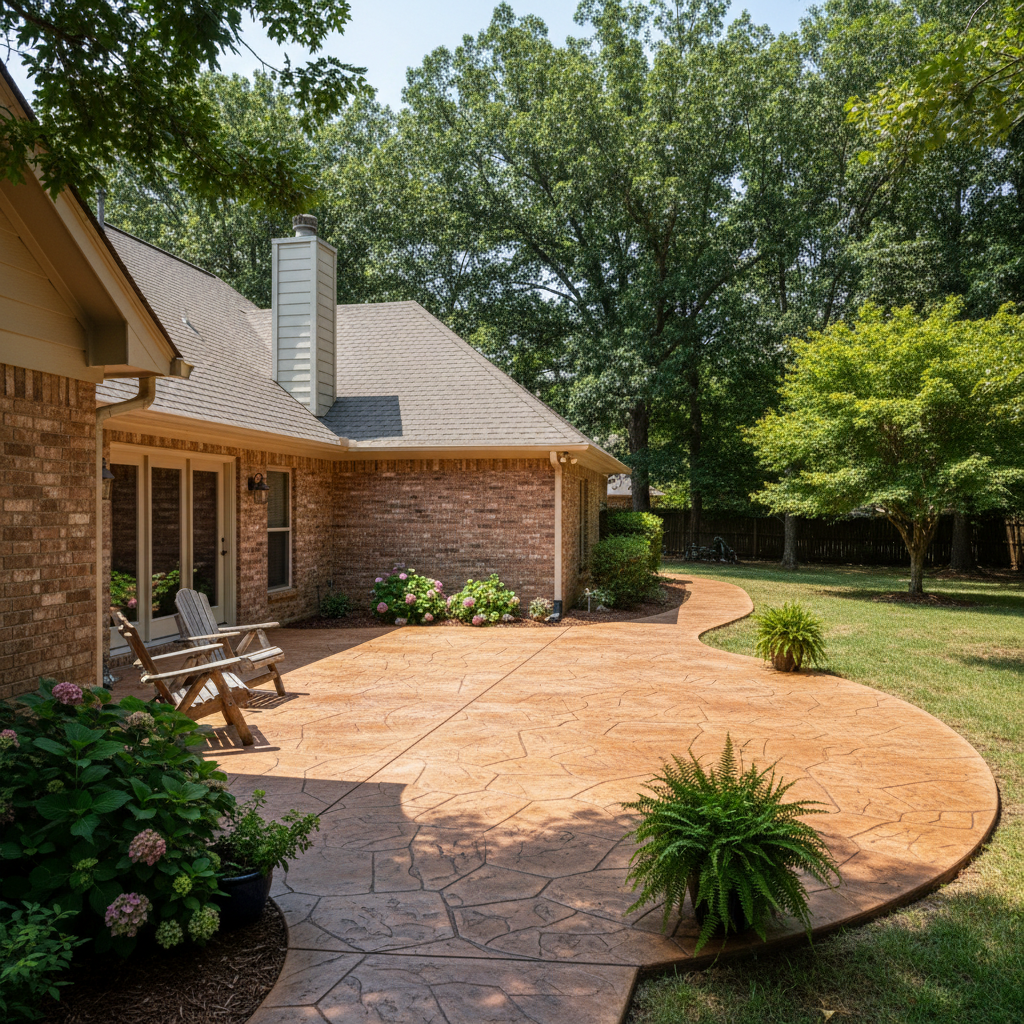
So, you're thinking about getting some concrete work done around your place here in Broken Arrow. Maybe it's a new driveway, a patio, or fixing up some cracked sidewalks. Whatever it is, picking the right contractor can feel like a guessing game. You don't want to throw your money away on a shoddy job that'll just crack in a year, especially with our crazy Oklahoma weather – those freeze-thaw cycles are no joke on concrete if it's not done right.
I’ve been in this business a long time, and I’ve seen it all. Here's what you need to know to make sure you're hiring a legitimate, quality concrete contractor, not some fly-by-night operation.
What Questions Should You Ask?
When you've got a few contractors lined up, don't be shy about asking questions. This is your home and your money. You've got every right to get clear answers.
- How long have you been in business? Experience matters, especially with concrete. It's not just about pouring; it's about proper prep, mix, and finish.
- Can you provide references? And don't just take their word for it. Call those references. Ask about their experience, if the job was on time and on budget, and if they'd hire them again.
- Are you licensed and insured? This is non-negotiable. If they're not, walk away. You don't want to be liable if someone gets hurt on your property or if something goes wrong with the job.
- What's your process for site preparation? This is huge. A good contractor will talk about proper grading, compacting the sub-base, and often using rebar or wire mesh. Skimping here leads to cracks later.
- What type of concrete mix will you use? Ask about the PSI (pounds per square inch) rating. For driveways and patios, you typically want at least 3500 PSI, especially for our climate.
- What's your warranty? A reputable contractor will stand behind their work. Get it in writing.
- How do you handle unexpected issues? Sometimes things come up. You want to know they have a plan and will communicate with you.
Decoding the Concrete Quote
You'll get quotes that look different, but there are key things to look for. Don't just pick the cheapest one; that's often a recipe for disaster.
- Detailed breakdown: A good quote isn't just a single number. It should itemize things like excavation, sub-base material, concrete (by cubic yard), reinforcement (rebar/mesh), labor, and finishing. This helps you compare apples to apples.
- Scope of work: Does it clearly state what's included and what's not? Are they removing old concrete? Hauling it away? Sealing the new concrete? Make sure everything you discussed is in there.
- Payment schedule: A small deposit is common, but be wary of anyone asking for a large upfront payment, especially for residential work. Most reputable contractors will ask for progress payments or payment upon completion.
- Timeline: When do they expect to start and finish? Weather can impact concrete, so understand how they factor that in.
- Materials specified: As I mentioned, knowing the PSI of the concrete is important. If they're using rebar, how far apart will it be spaced?
Red Flags to Watch Out For
These are the warning signs that should make you hit the brakes.
- No license or insurance: Seriously, don't even consider it.
- Cash-only deals: This screams