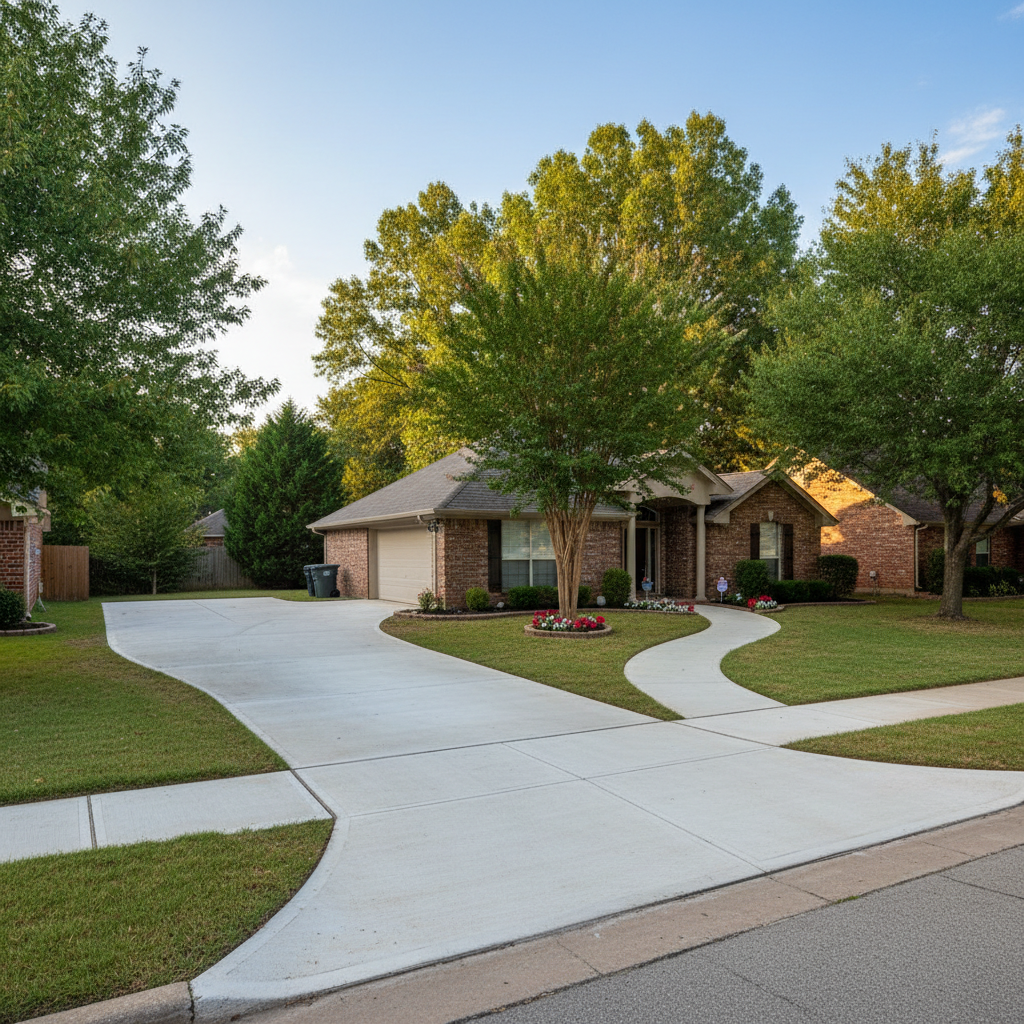
So, you've got some concrete that's seen better days. Maybe it's a cracked driveway, a sunken patio, or a walkway that's become a tripping hazard. It's a common problem, especially with our Oklahoma weather cycles and that expansive clay soil we deal with here in Broken Arrow. You know it needs fixing, but where do you even start?
I've been doing this a long time, and I've helped a lot of homeowners just like you get their concrete back in shape. Let's break down what you need to know to make your concrete repair project go smoothly.
Setting a Realistic Timeline
One of the first things folks ask me is, "How long is this going to take?" And the honest answer is, it depends on a few things. It's not usually an overnight job, but it's not a months-long renovation either.
- Initial Assessment & Quote: This usually happens pretty quickly. I can often get out to your place within a few days to a week to take a look and give you an estimate.
- Scheduling the Work: This is where things can vary. Good contractors are busy, especially during peak seasons like spring and fall. You might have to wait anywhere from a couple of weeks to a month or more for us to fit you into the schedule. Don't be afraid to ask about current lead times.
- Actual Repair Work: For most residential concrete repairs – a section of a driveway, a patio, a walkway – the actual work itself might only take a day or two. Larger jobs, like replacing a whole drive, could stretch to three or four days.
- Curing Time: This is crucial and often overlooked. You can't just drive on new concrete the next day. Depending on the type of concrete and the weather, it can take 3-7 days before you can walk on it, and usually 7-14 days before you can drive a vehicle on it. We'll give you specific instructions for your project.
So, from your first call to being able to fully use your repaired concrete, you're probably looking at a few weeks to a couple of months, all told. Planning ahead is key.
What to Expect During the Process
Once you've got a contractor lined up, what's going to happen when they show up?
- Preparation: We'll start by preparing the area. This might mean removing old, damaged concrete, excavating a bit, or grading the ground to ensure proper drainage. We'll protect nearby landscaping and structures as best we can.
- Formwork: If we're pouring new concrete, we'll set up forms to hold the wet concrete in place and give it the right shape and thickness.
- Reinforcement: For most projects, we'll lay down rebar or wire mesh. This helps the concrete handle stress and prevents cracking down the line. It's a really important step, especially with our shifting soils.
- Pouring & Finishing: The concrete truck arrives, and we pour the mix into the forms. Then, the real artistry begins – leveling, floating, and troweling the surface to get that smooth, durable finish you want. This is where experience really shows.
- Curing: After the pour, we'll often apply a curing compound or cover the concrete to help it cure slowly and evenly. This makes it much stronger.
- Cleanup: We'll remove the forms and clean up the work area. You shouldn't be left with a big mess.
How to Prepare Your Property
You can do a few things to make our job easier and your project smoother:
- Clear the Area: Move any cars, boats, RVs, trash cans, planters, outdoor furniture, grills, or anything else that's on or near the concrete we'll be working on.
- Trim Landscaping: If you have bushes or tree branches hanging over the work area, trim them back. This gives us room to work and protects your plants.
- Mark Sprinkler Heads: If you have an irrigation system, mark the sprinkler heads or let us know their general location. We don't want to accidentally damage them.
- Secure Pets: Keep pets indoors or in a secure, fenced area away from the work zone.
- Communicate: If you have any concerns or specific requests, talk to us before we start. We're here to help.
Questions to Ask Before Signing a Contract
This is your money, so you need to feel good about who you're hiring. Don't be shy about asking questions. Here are some I recommend:
- What's the detailed scope of work? Make sure the contract clearly outlines exactly what will be done, what materials will be used, and what's included in the price.
- Do you pull permits? For some larger jobs, especially if it involves public right-of-way, permits might be required by the City of Broken Arrow. Make sure that's handled.
- What's your payment schedule? A reputable contractor usually asks for a deposit upfront, then progress payments, and the final payment upon completion. Be wary of anyone asking for 100% upfront.
- What kind of warranty do you offer? We stand by our work at Express Concrete & Masonry Solutions, and any good contractor should offer a warranty on their labor and materials.
- How do you handle unexpected issues? Sometimes you uncover things once you start digging. Ask how those situations are communicated and resolved, and if there are potential additional costs.
- What's the cleanup process? Confirm that debris removal and site cleanup are part of the service.
- How long will the curing process take, and what are the restrictions? Get clear instructions on when you can use the concrete and how to care for it during the initial curing period.
Getting your concrete repaired doesn't have to be a headache. With a little planning and knowing what to expect, you can ensure a smooth process and a durable, good-looking result that'll last for years.